
When it comes to business laptops, Lenovo ThinkPads have long been the gold standard for durability and reliability. But the latest models—specifically the ThinkPad T14 Gen 5 and T14s Gen 5—have achieved something even more impressive: a perfect 10/10 repairability score from iFixit, the world’s leading repairability experts. This achievement isn’t just a win for Lenovo; it’s a significant milestone for sustainable technology and consumer rights.
- The Models: ThinkPad T14 Gen 5 and T14s Gen 5.
- The Score: 10/10 (Highest possible repairability).
- Modular Design: Replaceable RAM, SSD, and Battery with no glue or proprietary screws.
- Sustainability: Significantly reduces e-waste by extending the hardware lifecycle.
The Breakthrough: How Lenovo Achieved a Perfect Score
Lenovo’s journey to achieving a perfect repairability score wasn’t accidental. The company worked closely with iFixit and other repair experts to identify pain points in previous designs. While many premium laptops from competitors score between 4/10 and 6/10, the ThinkPad T14 Gen 5 stands out by prioritizing user serviceability without compromising its professional build quality.
Modular Components and Easy Access
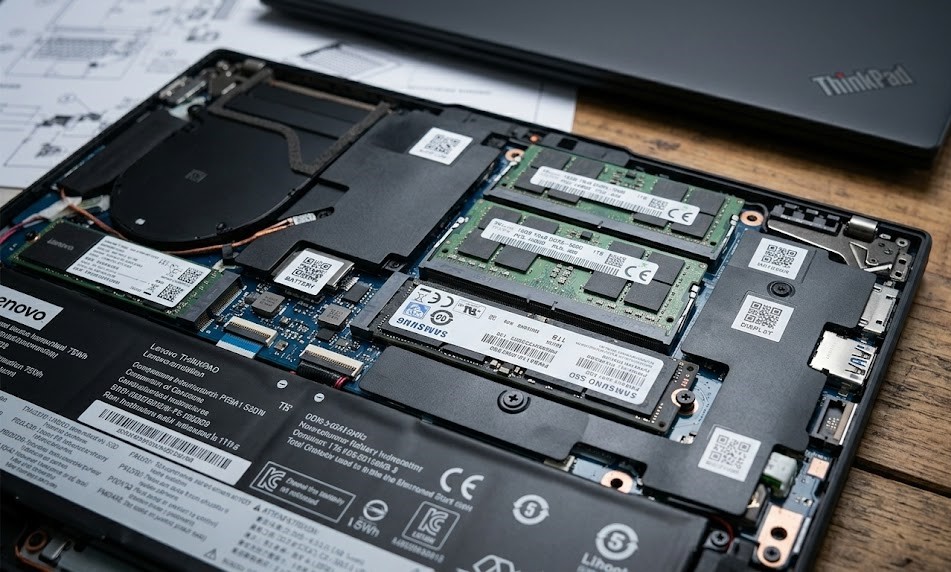
The secret behind Lenovo’s impressive repairability score lies in several thoughtful design choices. The new models feature a modular design that allows users to easily access and replace key components. According to iFixit’s teardown analysis, these laptops use standard Phillips screws throughout, eliminating the frustration of proprietary fasteners like Pentalobe or Tri-wing screws found in other brands.
Key technical improvements include:
- Standardized Fasteners: One screw type for almost the entire chassis.
- Clear Labeling: Components and connectors are labeled with QR codes leading to official repair guides.
- User-Replaceable Parts: The keyboard, battery, RAM, and storage drives are easily accessible.
- Tool-Free Access: Frequently replaced parts require minimal tools for removal.
Why Repairability Matters for Modern Businesses
In an era where electronic waste is one of the fastest-growing waste streams globally, repairable devices represent a crucial step toward sustainability. The United Nations estimates that 50 million tons of electronic waste are generated annually, with only about 20% being properly recycled. By designing laptops that are easy to repair, Lenovo is helping to extend the lifespan of their devices and reduce environmental impact.
The Business Case: Reducing Total Cost of Ownership (TCO)
For IT departments, repairable laptops translate to significant cost savings. Instead of replacing entire machines when a single component like a battery or keyboard fails, organizations can simply swap out the faulty part in minutes. This approach not only reduces hardware expenses but also minimizes employee downtime.
Comparing ThinkPads to the Competition
While many laptop manufacturers have moved toward sealed, glued-together designs that make repairs nearly impossible, Lenovo has taken the opposite path. Most premium ultrabooks now solder the RAM and glue the batteries to the chassis. By keeping the ThinkPad T14 Gen 5 accessible, Lenovo positions itself as the clear choice for users and organizations that value longevity over “disposable” tech trends.
What This Means for the Future of Sustainable Computing
Lenovo’s achievement could signal a broader shift in the tech industry. As consumers become more environmentally conscious and “Right to Repair” regulations gain momentum globally, we may see other manufacturers finally following Lenovo’s lead. This 10/10 score proves that you don’t have to sacrifice performance or thinness to achieve excellent repairability.
Should You Buy the New ThinkPad T14 Gen 5?
If you’re in the market for a new business laptop, the repairability factor should be high on your checklist. Not only does it mean you’ll likely get more years of use from your investment, but it also means you’re supporting a more sustainable approach to technology. These laptops prove that high-performance hardware can—and should—be built to last.
What are your thoughts on repairable technology? Do you think more manufacturers should follow Lenovo’s example, or do you prefer the sleekness of sealed devices? Share your opinions in the comments below!