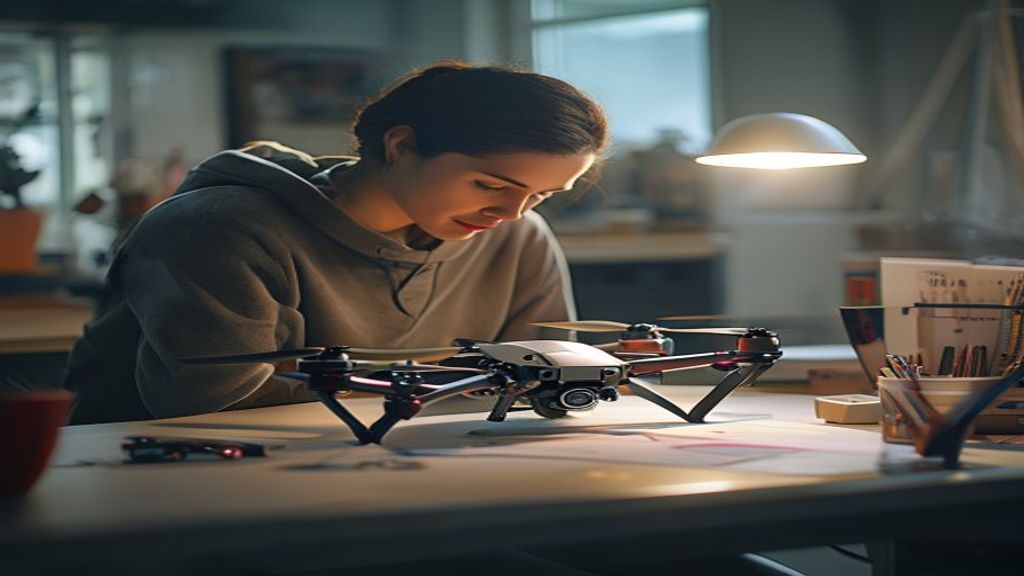
Introduction to DIY Drone Safety
Building and flying DIY drones can be an exhilarating hobby, but it comes with its own set of challenges and safety concerns. Ensuring the safety of your drone and those around you is paramount. In this article, we’ll explore common mistakes made during the DIY drone building process and provide practical tips on how to fix them, enhancing your DIY drone safety.
Understanding the Basics of DIY Drone Safety
Before diving into the complexities of drone building, it’s essential to understand the fundamental principles of drone safety. This includes knowing the regulations, understanding your drone’s components, and being aware of your surroundings while flying.
Regulatory Compliance
One of the first steps in ensuring DIY drone safety is to familiarize yourself with local drone regulations. This includes understanding no-fly zones, altitude limits, and the necessity of registering your drone.
Common Mistakes in DIY Drone Building
Several common mistakes can compromise the safety and performance of your DIY drone. These include improper component selection, inadequate frame design, and insufficient testing.
- Improper Component Selection: Choosing components that are not compatible or are of poor quality can lead to drone instability or failure.
- Inadequate Frame Design: A poorly designed frame can affect the drone’s aerodynamics and structural integrity.
- Insufficient Testing: Not thoroughly testing your drone before flight can lead to unforeseen issues during operation.
Step-by-Step Guide to Enhancing DIY Drone Safety
1. Selecting the Right Components
To avoid the pitfalls of improper component selection, it’s crucial to research and choose high-quality, compatible parts. Consider factors such as motor power, battery capacity, and the robustness of the frame material.
2. Designing a Robust Frame
A well-designed frame is critical for the structural integrity and aerodynamics of your drone. Ensure your design is sturdy, balanced, and optimized for your drone’s specifications.
3. Thorough Testing and Calibration
Before taking your drone to the skies, conduct thorough testing and calibration. This includes checking the drone’s stability, response to controls, and ensuring all components are functioning as expected.
Real-World Examples: Learning from Mistakes
Several DIY drone enthusiasts have shared their experiences of overcoming common mistakes. For instance, adjusting the motor configuration to improve stability or reinforcing the frame to withstand crashes.
Pro Tips for DIY Drone Safety
- Always follow a pre-flight checklist to ensure your drone is airworthy.
- Keep your drone in line of sight and be aware of your surroundings.
- Regularly inspect and maintain your drone to prevent mechanical failures.
Common Mistakes and Fixes: A Summary
To recap, common mistakes in DIY drone building include improper component selection, inadequate frame design, and insufficient testing. By understanding these mistakes and following the tips provided, you can significantly enhance your DIY drone safety.
Conclusion
DIY drone safety is a multifaceted topic that requires attention to detail, adherence to regulations, and a commitment to continuous learning. By avoiding common mistakes and following the guidelines outlined in this article, you can enjoy a safer and more rewarding drone building and flying experience. Share your DIY drone safety tips and experiences in the comments below and let’s build a safer drone community together!