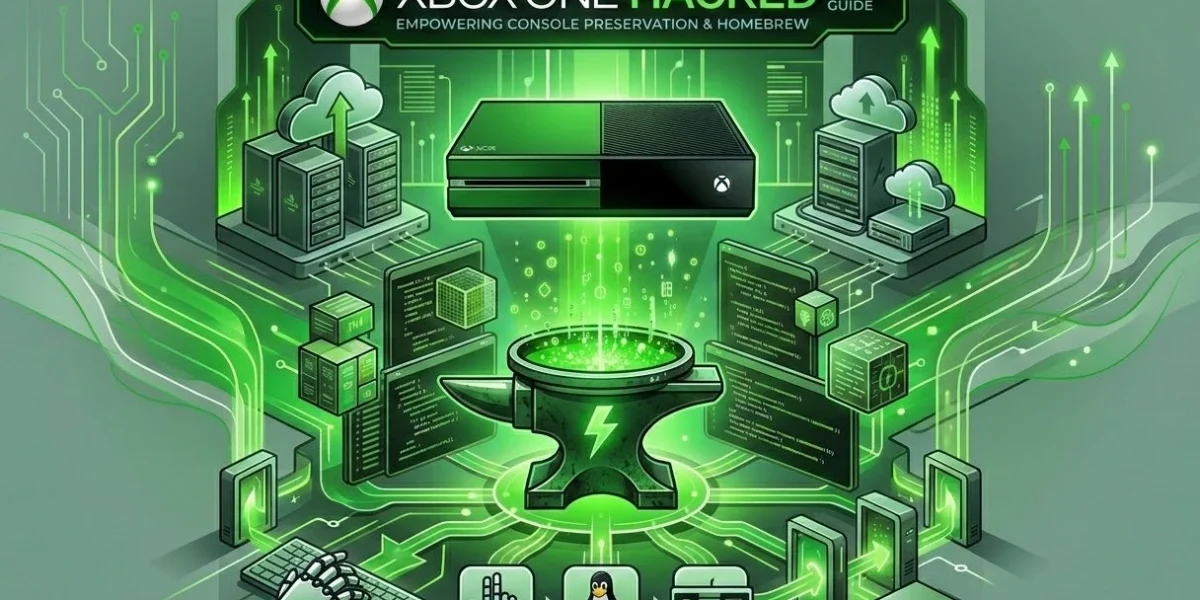
Microsoft’s Security Claims Shattered as Xbox One Falls to Hacker ‘Bliss’
When Microsoft launched the Xbox One, they boldly claimed it was virtually unhackable, touting advanced security measures that would protect the console from unauthorized modifications and piracy. However, the gaming community has been rocked by news that a hacker known as ‘Bliss’ has successfully breached the system, exposing vulnerabilities that Microsoft’s engineers apparently missed.
This breakthrough represents more than just a technical achievement for the hacking community. It challenges the fundamental assumptions about console security and raises questions about the effectiveness of Microsoft’s proprietary protection systems. For gamers and tech enthusiasts alike, this development opens up new possibilities for console customization and homebrew applications.
How the Xbox One Hack Was Achieved
According to reports surfacing from Hacker News and various tech forums, ‘Bliss’ exploited a previously unknown vulnerability in the Xbox One’s security architecture. The hack appears to target the console’s hypervisor, a critical component that manages system resources and enforces security boundaries between different software layers.
The specific technical details remain closely guarded by the hacking community, but early indications suggest the exploit involves a sophisticated combination of hardware and software manipulation. This approach allowed ‘Bliss’ to bypass the console’s Secure Boot process, which Microsoft designed to prevent unauthorized code execution at the most fundamental level.
The Technical Breakthrough
What makes this hack particularly significant is the level of access it provides. Unlike previous console modifications that only allowed limited functionality, this exploit reportedly grants full system access, enabling users to run custom applications, emulators, and potentially pirated games.
The method appears to involve a chain of vulnerabilities that work together to compromise the system’s integrity. This multi-stage approach demonstrates advanced understanding of the Xbox One’s architecture and suggests months of careful research and development by the hacking team.
Implications for Gamers and Developers
For the average gamer, this hack could mean expanded functionality for their Xbox One consoles. Homebrew developers may now be able to create and distribute custom applications, potentially breathing new life into older hardware. This could include everything from media center applications to indie games that wouldn’t otherwise make it through Microsoft’s certification process.
However, the implications extend beyond just enhanced features. This breakthrough could significantly impact the gaming industry’s approach to console security and digital rights management. If one of the most secure consoles can be compromised, it raises questions about the viability of similar security measures across the industry.
Potential Benefits for Users
- Ability to run custom applications and homebrew software
- Enhanced media playback capabilities beyond official support
- Potential for retro gaming through emulator support
- Expanded storage and backup options for game libraries
- Community-driven improvements and modifications
Microsoft’s Response and Future Security Measures
Microsoft has not yet issued an official statement regarding the hack, but industry experts anticipate a swift response. The company’s history suggests they will likely pursue multiple strategies simultaneously, including legal action against those distributing the hack and technical countermeasures through system updates.
This incident may prompt Microsoft to reevaluate their security architecture for future console iterations. The company has invested heavily in security research and development, and this breach could lead to even more sophisticated protection mechanisms in upcoming hardware releases.
The Cat-and-Mouse Game Continues
Console hacking has been a persistent challenge for manufacturers since the early days of gaming. Each successful hack typically triggers a cycle of countermeasures and counter-hacks, with each side continuously evolving their techniques. This Xbox One breach is likely just the latest chapter in this ongoing technological arms race.
Security researchers and ethical hackers often argue that such vulnerabilities ultimately benefit consumers by exposing weaknesses before malicious actors can exploit them. However, the potential for piracy remains a significant concern for game developers and publishers who rely on console security to protect their intellectual property.
What This Means for the Gaming Industry
The successful hacking of the Xbox One could have ripple effects throughout the gaming ecosystem. Game developers may need to reconsider their approach to console-specific features and optimizations, knowing that their code could potentially run on modified hardware.
Additionally, this breach could influence how console manufacturers approach security in their next-generation systems. We might see a shift toward more hardware-based security measures that are harder to circumvent through software exploits alone.
Impact on Digital Distribution
The rise of digital game distribution has made console security more critical than ever. Unlike physical media, digital purchases can be duplicated infinitely if proper safeguards are bypassed. This hack could accelerate the industry’s move toward always-online requirements and cloud-based gaming services that are inherently more difficult to modify.
Streaming services like Xbox Cloud Gaming and PlayStation Now may become increasingly attractive to publishers as they offer a level of control that traditional console hardware cannot match. This could fundamentally change how we think about game ownership and distribution in the coming years.
Community Reaction and Ethical Considerations
The gaming community’s response to this news has been mixed. While many celebrate the technical achievement and the potential for expanded functionality, others worry about the implications for game developers and the overall health of the industry.
Ethical hackers and security researchers emphasize that the primary goal of such work is often to improve security rather than enable piracy. By identifying and exposing vulnerabilities, they argue that they help manufacturers build more secure systems for everyone.
Legal and Ethical Boundaries
It’s important to note that while the technical achievement is impressive, the legal and ethical implications of console hacking remain complex. In many jurisdictions, circumventing digital rights management systems is illegal, regardless of the user’s intentions.
Users considering modifying their consoles should be aware of the potential consequences, including voided warranties, loss of online services, and possible legal repercussions. The line between legitimate homebrew development and piracy can sometimes be blurry, and individuals must make informed decisions about how they choose to use modified hardware.
Looking Ahead: The Future of Console Security
This hack serves as a reminder that no system is truly unhackable, regardless of how much time and money is invested in security. As technology continues to advance, the tools and techniques available to both security professionals and hackers will only become more sophisticated.
The gaming industry may need to adapt to a new reality where absolute security is no longer a realistic goal. Instead, we might see a shift toward more flexible approaches that balance security with user freedom and innovation.
Emerging Security Trends
Future consoles may incorporate more advanced security measures, such as hardware-based attestation systems, machine learning-powered anomaly detection, and decentralized security architectures. These approaches could make successful hacks more difficult while still allowing for legitimate customization and development.
The industry may also explore alternative business models that are less dependent on hardware security, such as subscription-based services or cloud gaming platforms that keep the actual processing and storage in secure data centers rather than on user-owned devices.
Conclusion: A Watershed Moment for Console Gaming
The hacking of Microsoft’s supposedly unhackable Xbox One by ‘Bliss’ represents a significant milestone in the ongoing evolution of console security. It demonstrates that even the most sophisticated protection systems can be overcome by determined and skilled individuals.
For gamers, this development opens up exciting possibilities for console customization and homebrew development. For the industry, it serves as a wake-up call to reevaluate security strategies and consider more flexible approaches to hardware protection.
As we look to the future, one thing is certain: the relationship between console manufacturers, hackers, and gamers will continue to evolve. The challenge for the industry will be finding ways to protect intellectual property while still fostering the innovation and creativity that makes gaming such a dynamic and exciting field.
What are your thoughts on this development? Do you see it as a positive step toward greater user freedom, or a concerning threat to game developers and publishers? Share your perspective in the comments below.